Lane Crawford Talks
In Conversation with POJ Founder Tina Koyama
In a world captivated by constant innovation, it’s easy to overlook the timeless artistry of the Shokunin—master artisans whose craftsmanship has evolved over centuries. Yet, modernisation threatens these storied lineages and the iconic businesses integral to Japan’s cultural heritage.
Meet Tina Koyama, the visionary behind POJ Studio. After leaving a fast-paced digital design career, she embraced traditional craftsmanship, inspired by her mother and the artisans’ rich narratives. Fueled by a passion to preserve these techniques, she has crafted a sustainable practice that empowers artisans to thrive.
Together with co-founder Hana Tsukamoto, Tina established POJ Studio to celebrate and educate about Japan’s intricate craftsmanship through authentic, artisan-made products.
This time around, we sat down with Tina to explore how POJ pieces become personal heirlooms and how Kintsugi art and artisan furniture exemplify POJ’s philosophy of living craft. Tina also shares her insights for the modern tastemaker on curating a sanctuary for the New Year with three essential elements.
Read on for the full interview below
How does the tea room’s visual design foster intimate connections between people, craftsmanship, and the irreplaceable beauty of each special moment in life—ichi-go ichi-e?
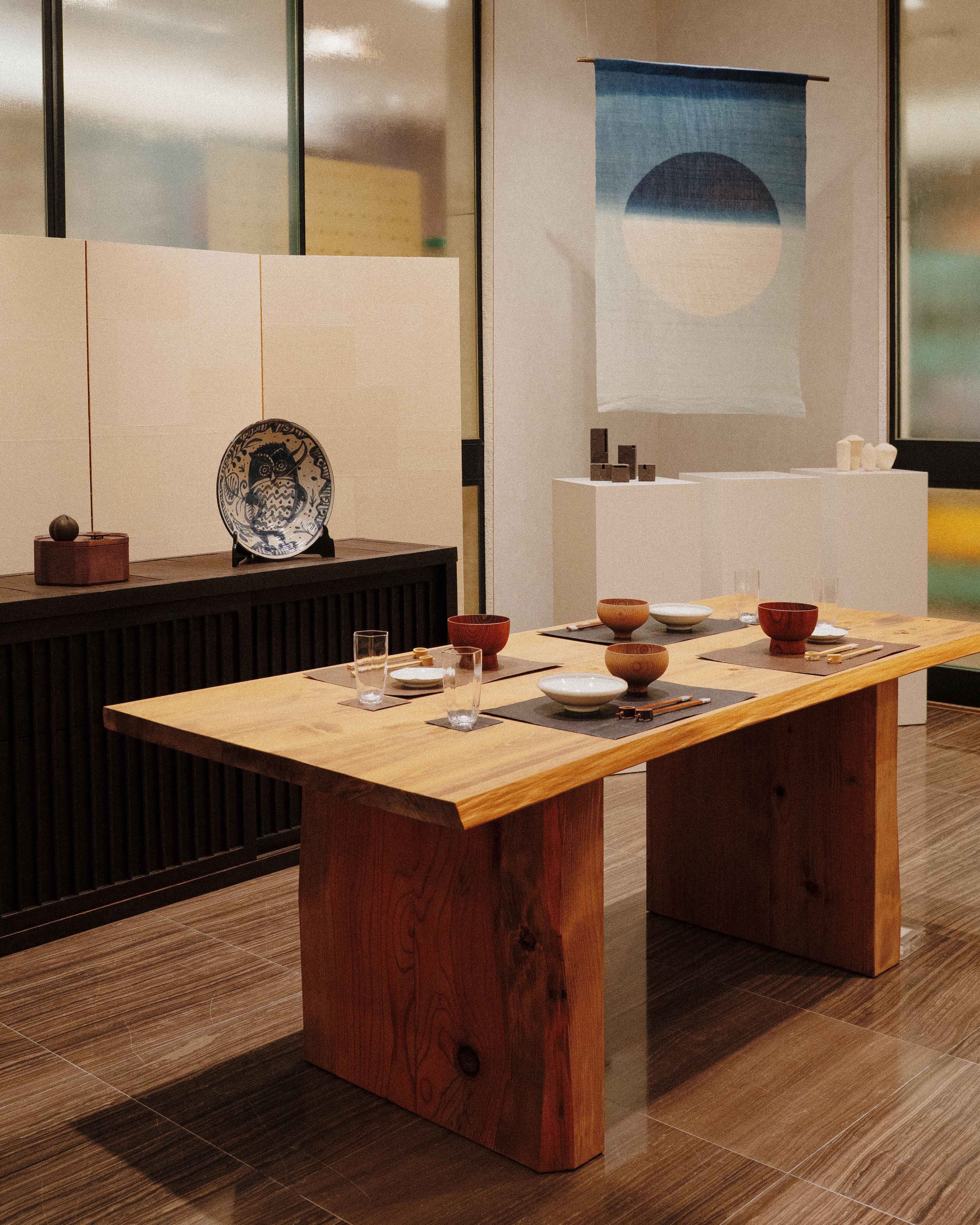
The tea room uses restraint as a design tool. By limiting colour, materials, and visual distraction, it creates a calm, intimate environment where people naturally slow down and become more present. Craft is felt through texture and imperfection rather than decoration, which makes each object feel personal and alive. This quiet framing allows each visit to feel singular and unrepeatable—very much aligned with the spirit of ichi-go ichi-e.
Tea rituals invite us to slow down in life. How do POJ Studio’s pieces elevate this mindset with intention and grace?
POJ Studio elevates the act of slowing down through hand-crafted pieces that carry warmth and presence. Shaped through a dialogue with nature, their textures invite touch and attentiveness, encouraging a more mindful engagement with the moment. This quiet material presence allows tea rituals to feel grounded, human, and deeply present.
For tastemakers who blend modern luxury with mindful, sustainable living, how do POJ pieces evolve into personal heirlooms—treasures that feel deeply and uniquely yours?
POJ Studio pieces become heirlooms through use and time. Handcrafted objects age beautifully, gaining character as they are lived with. If they break, they can be repaired through practices like kintsugi, where repair becomes part of the story rather than something to hide.
At the same time, our work is rooted in passing craft techniques on to the next generation of makers, and we hope the objects themselves can do the same—being cared for, repaired, and eventually passed down. In that way, each piece carries not only personal history, but also the continuity of craft across generations.
What are your tips for styling POJ Studio pieces to create unforgettable moments during CNY gatherings?
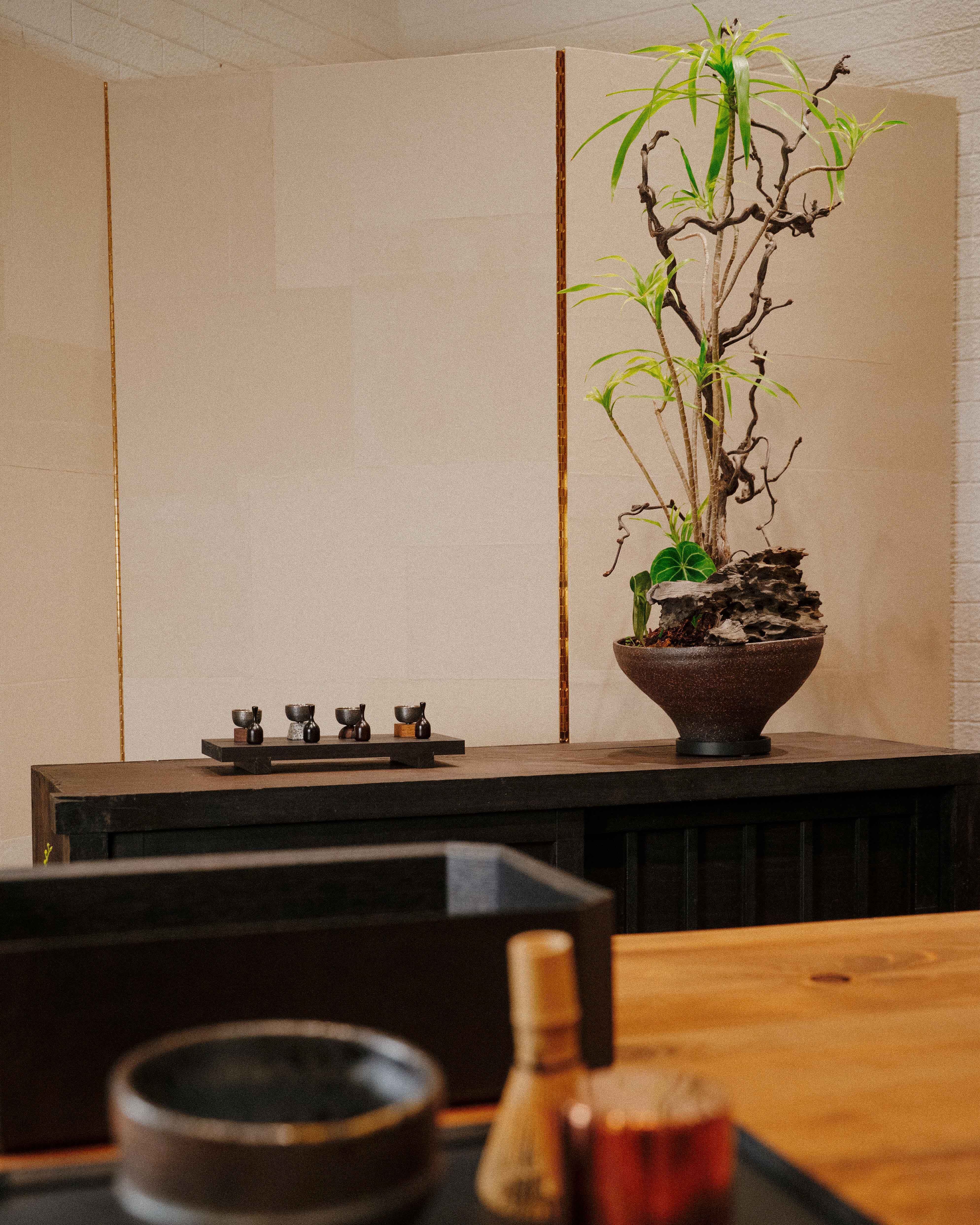
When styling POJ Studio pieces for Chinese New Year, I like to begin with natural materials and elements from nature itself—simple branches, seasonal greenery, or flowers. These bring a sense of life and quiet movement to the setting.
Contrasting textures elevate the experience: smooth ceramics against rough wood or woven textiles, and mixing contemporary pieces with antiques adds depth and history. Keeping the composition relaxed and intentional creates gatherings that feel warm, grounded, and truly memorable.
Beyond tea rituals, how do Kintsugi pieces and artisan-crafted furniture embody POJ’s living craft philosophy in a way that feels truly “Seeded Different”?
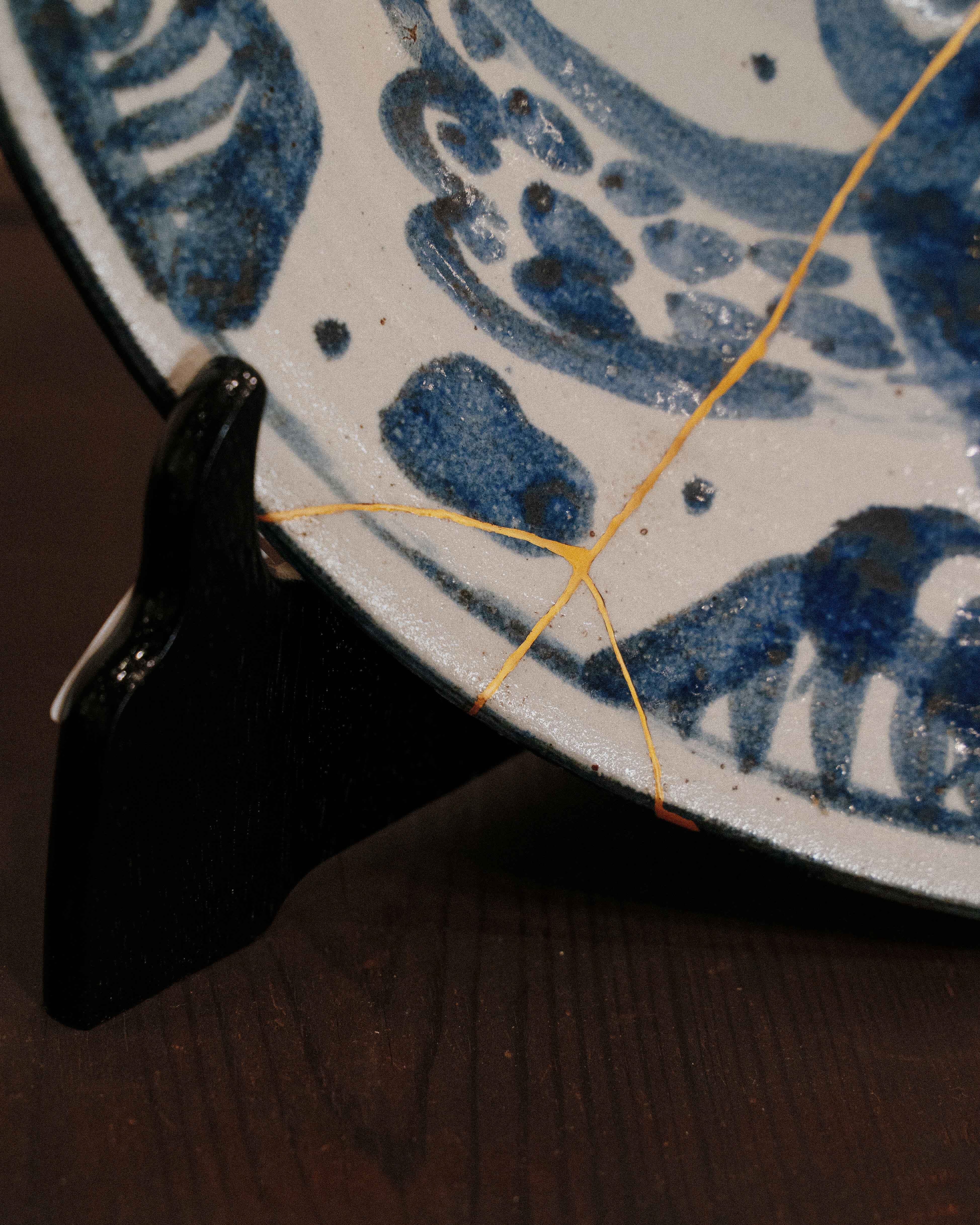
Our kintsugi pieces and furniture reflect a living craft philosophy because they come from long-term collaboration, not one-off production. We design closely with our craftspeople while also investing in education, workspaces, and the next generation through our schools and village projects. That ecosystem—where objects, people, and future makers are all connected—is what makes our work feel truly seeded different.
Could you share your advice for the modern tastemaker on how to curate a sanctuary for the new year using these three specific elements – the ritual of the tea set, the grounding nature of a wooden chair, and the atmosphere of art lighting – to create a moment of intention amidst the celebration?
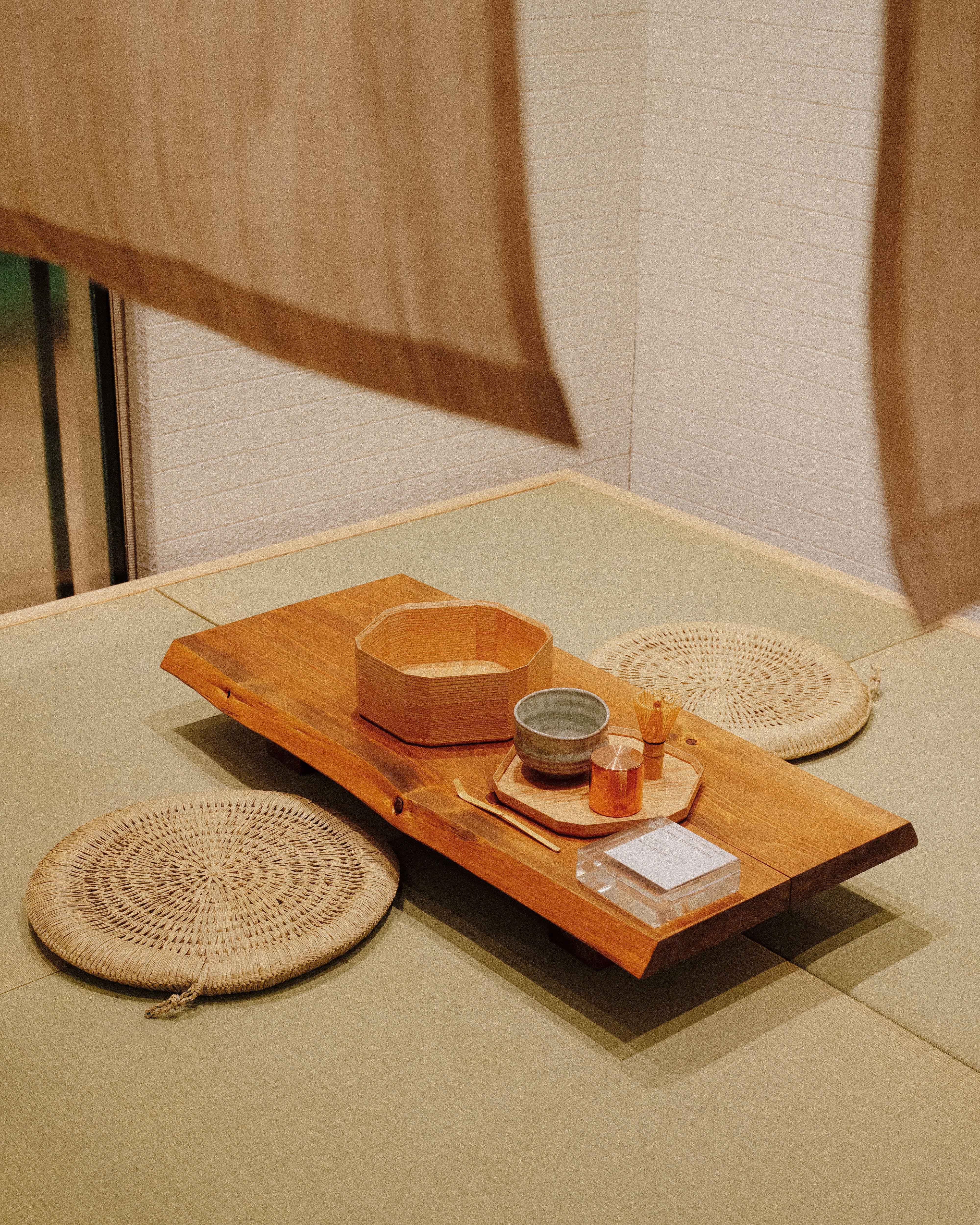
I see these elements as anchors. The tea set introduces ritual and pause, the wooden chair grounds the body through warmth and material honesty, and art lighting shapes the emotional atmosphere. Together, they create a calm, intentional sanctuary within celebration—allowing people to slow down and be present as they enter the new year.
Shop our curated POJ Studio edit below